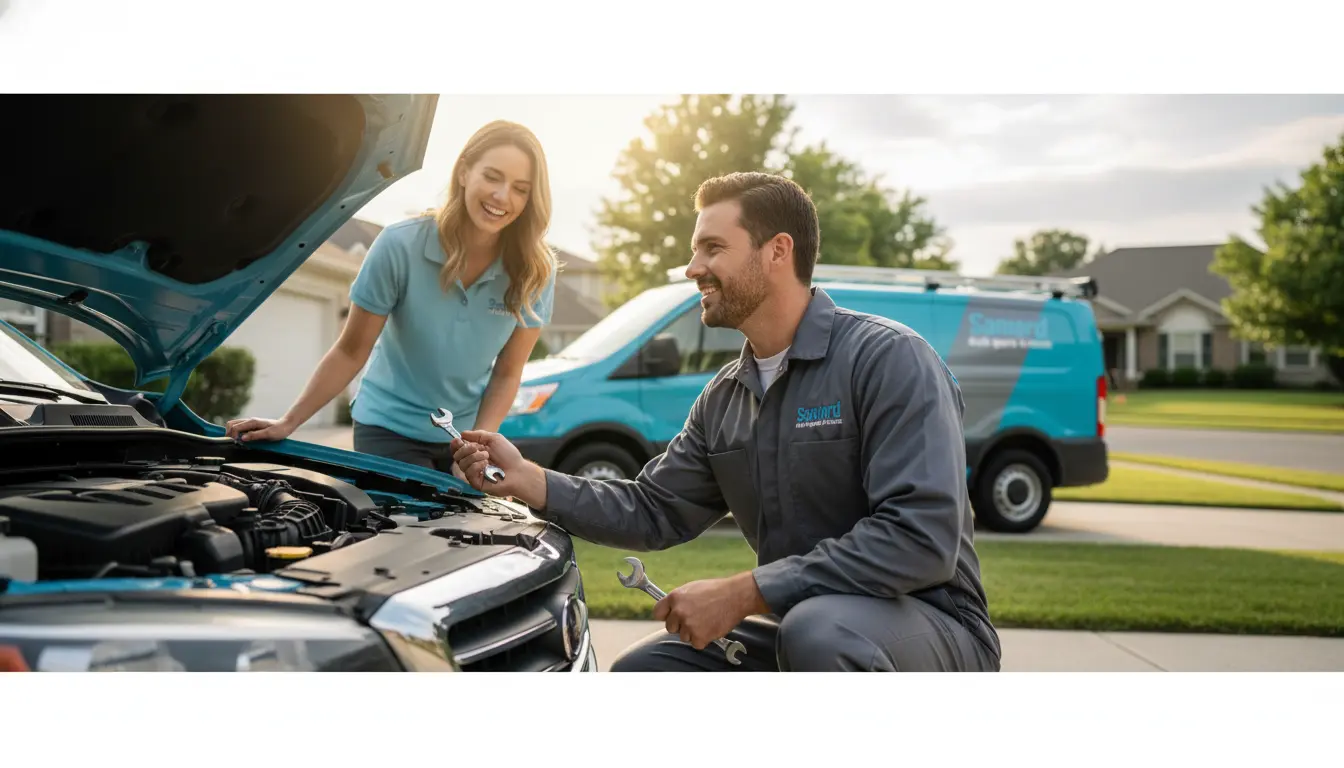
Operating a vehicle across Central Florida introduces extreme thermal stress profiles that directly accelerate mechanical component wear rates. High ambient humidity parameters paired with prolonged stop-and-go patterns along the intense Interstate 4 corridor demand proactive facility checks. Without systematic tracking, regional fleet units experience sudden cooling grid drops, friction surface glazing, and advanced chemical expansion across exposed terminal links.
Deconstructing Thermal Breakdown and Volumetric Radiator Failure
Routine scientifically verified powertrain inspections are essential to counteract the premature failure of critical combustion and drivetrain systems. At Sanford Auto Repair & Service, our ASE Certified Master Technicians deploy advanced OBD-II telemetry sweeps to record exact fuel trim metrics and isolate early pressure drops. Fleet managers looking to trace chronic regional diagnostic faults or check standard engine warning behaviors can evaluate our 2026 technical guide on common car problems in Sanford.
Prolonged heat retention within closed cylinder boundaries breaks down molecular bond links in low-tier lubricants, inducing severe piston friction. Utilizing high-viscosity full synthetic lubrication services provides exceptional shear stability under high operating pressures, sealing critical clearances against gas blow-by. Car owners wishing to map structured factory maintenance routines or analyze essential protection parameters can view our briefing index on the importance of regular maintenance.
Quantifying Friction Face Glazing and Hydraulic Compression Demands
Brake system integrity degrades rapidly when subjected to the persistent thermal cycles typical of local highway stop patterns. Continuous friction loading drives pad face glazing and warps cast iron rotors, creating noticeable pedal vibration feedback loops and increasing emergency stopping distances. Drivers noticing grinding metal profiles or looking to schedule certified safety checks can inspect our localized service protocol on emergency repairs.
Isolating Chemical Grid Scaling and Dielectric Insulation Losses
The sub-tropical climate across Sanford accelerates galvanic cell growth on lead-acid battery terminals, generating a high-resistance barrier that disrupts vehicle starting current draw. This continuous chemical scaling forces the charging alternator to operate at peak output profiles, causing premature internal regulator failures. Property managers needing to plan complete system overhauls or cross-reference necessary service tasks can consult our trade ledger at top 10 handyman services for Pompano Beach homes to align corporate shop requirements.
Maintaining solid electrical pass-through junctions blocks current leaks across complex internal vehicle networks. Technicians use precision digital multi-meters to locate minor voltage drops before unmapped wire resistance compromises primary ECU performance limits. Drivers looking to isolate hidden electrical drain loops or check component life indices can access our master diagnostic brief on 7 signs its time for electrical repairs in your home.
Enforcing Regulatory Code Parameters and Fluid Safety Targets
Sanford Auto Repair & Service executes every powertrain and chassis modification in full compliance with rigorous regional environmental protection rules. We catch small fluid leaks early using specialized ultraviolet dyes to prevent hazardous glycol or petroleum compounds from contaminating local soil structures or reaching regional wildlife reserves. Enforcing these protective benchmarks keeps your vehicle running clean while safeguarding local environmental health scores.
Frequently Asked Questions (FAQs)
Extreme regional temperatures raise cooling system pressures past standard radiator cap thresholds. If the engine block has tiny hairline splits, the intense heat converts the glycol blend into high-pressure vapor that escapes through the exhaust, leading to sudden engine overheating loops.
Severe pedal vibration indicates uneven friction thickness or warped brake rotors. This occurs when intense heat from high-speed stops alters the iron microstructure of the rotor, creating thin high-spots that push back against the brake pad face during braking cycles.
Sustained relative atmospheric humidity drives moisture into unsealed wire connector blocks, causing rapid brass terminal corrosion. This oxidation establishes a high-resistance barrier that disrupts sensor signals, triggering false dashboard trouble codes.
A spongy pedal indicates that high operating temperatures have boiled the hydraulic fluid, or that air has entered the brake lines through worn seals. Since air compresses under pressure unlike brake fluid, ignoring this symptom leads to a dangerous loss of stopping power.
Full synthetic oils feature robust, uniform molecular structures that resist thermal breakdown under extreme engine temperatures. They maintain consistent film thickness to protect tight bearing clearances and prevent sludge accumulation during heavy idling cycles.
Do not allow unmapped electrical resistance loops or high engine heat to threaten the operational safety or long-term equity of your vehicle. Protect your powertrain against aggressive regional climate wear by reserving an expert technical validation sweep today. Contact our certified team to secure your mechanical assemblies and maintain absolute driving peace of mind.