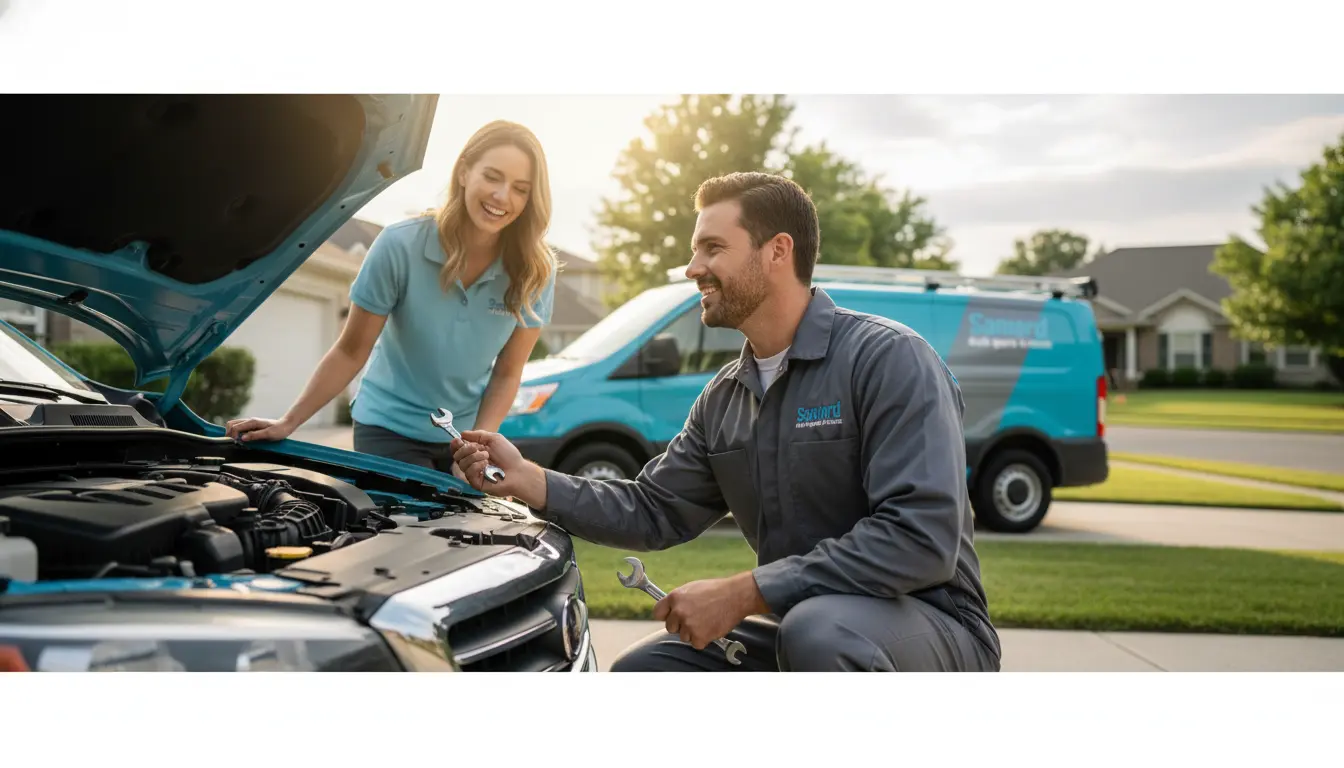
Contrary to popular belief, the necessity for frequent oil changes in Florida is not merely a myth perpetuated by mechanics, but rather a critical maintenance requirement stemming from the state’s unique climate and driving conditions. The relentless summer heat, coupled with the stop-and-go traffic prevalent along the Interstate 4 corridor, subjects engines to extreme thermal stress, accelerating the degradation of engine oil and necessitating more frequent oil changes. In fact, the high ambient humidity in Central Florida significantly accelerates the moisture absorption rate of glycol-based hydraulic systems, further emphasizing the need for diligent maintenance.
As an ASE Certified Master Technician, it’s imperative to understand the intricate relationship between Florida’s climate and the mechanical demands it places on vehicles. The thermal breakdown of engine oil, for instance, is exacerbated by the high temperatures and humidity, leading to a decrease in its lubricating properties and potentially causing premature engine wear. Furthermore, the intense heat can also cause the engine’s cooling system to work harder, leading to increased stress on the system and potential overheating issues.
To counteract these effects, vehicle owners in Sanford, Florida, must prioritize routine maintenance, including regular oil changes, tire rotations, and brake pad replacements. By doing so, they can help extend the lifespan of their vehicle’s engine and other critical components. Additionally, drivers can take steps to minimize the impact of extreme temperatures on their vehicle, such as avoiding sudden acceleration and braking, using a sunshade to block direct sunlight, and parking in shaded areas whenever possible.
Deconstructing Viscosity Shear and Real-Time Fluid Diagnostics
Isolating complex carbon polymer structural fatigue or tracking subtle moisture emulsion metrics within internal lubricating packages before severe mechanical wear triggers relies heavily on pairing real-time tool telemetry with direct physical safety checks. Sanford Auto Repair & Service provides certified chemical fluid verifications engineered to trace minor subsystem faults, keeping baseline powertrain alignment parameters strictly true to original factory design metrics. Fleet operators trying to trace chronic regional wear faults or analyze erratic warning behaviors can view our 2026 technical brief on common car problems in Sanford.
Severe environmental moisture levels speed up chemical breakdown loops within standard hydraulic systems, driving premature seal wear and rough mechanical movements. Using high kinematic viscosity synthetic formulations shields small oil clearances, keeping internal moving parts fully stable despite extreme highway traffic congestion. Car owners wishing to structure systematic maintenance intervals or analyze essential safety metrics can view our briefing ledger on the importance of regular maintenance.
Quantifying Heat-Induced Scale Defense and Radiator Restriction Flushes
Sustained cooling system bottlenecks driven by high ambient heat profiles speed up coolant depletion, allowing calcified scaling to pack tight inside internal radiator fins. Executing a comprehensive chemical radiator core flush completely clears these restrictive layers, returning heat dissipation metrics to factory design parameters and preventing cylinder head warp. Motorists facing unexpected secondary road faults or needing fast roadside support can inspect our localized breakdown blueprint on emergency repairs.
Isolating Intake Air Infiltration and Galvanic Post Oxidation
Unmetered air breaching weathered intake manifold gaskets alters the stoichiometric ratio, forcing the electronic management chip to run large fuel trim corrections that raise exhaust temperatures. Motorists must resolve minor vacuum line cracks immediately to stop advanced cylinder vibrations and prevent recurring warning lights. Business owners needing to coordinate multi-vehicle facility layouts or compare workspace designs can consult our commercial log at top 10 handyman services for Pompano Beach homes to align shop bay space.
Traversing deep standing water pools from intense summer downpours introduces severe fluid contamination risks if water bridges low-hanging transmission or differential breathing tubes. Concurrently, airborne humidity triggers rapid galvanic crusting across copper terminal leads, creating an artificial circuit resistance that strains alternator charging circuits. Vehicle owners seeking to identify early circuit leakage paths or catch minor fluid pooling markers can view our electrical troubleshooting guide on 7 signs its time for electrical repairs in your home.
Enforcing Rigid Fluid Exchange Frameworks and Certified Material Standards
Sanford Auto Repair & Service completes all engine lubricant extractions, high-precision electronic module updates, and complex cooling core structural installations in complete compliance with factory manual guidelines. We enforce strict eco-responsible containment boundaries and handle all spent chemical agents safely using certified recovery machinery to protect local regional water tables from toxic chemical runoff. Keeping these precise operational boundaries preserves vehicle driving reliability while actively protecting local ecosystem health metrics.
Frequently Asked Questions (FAQs)
High relative humidity introduces fine water vapor molecules into the crankcase via the ventilation loop. When mixed with combustion byproducts, this moisture creates corrosive acid layers that rapidly drop the oil’s total base number and exhaust active protective additives.
An unmetered air leak introduces excess oxygen into the cylinders, forcing the control module to run a rich fueling loop. This unburned fuel enters the exhaust stream and burns inside the catalytic converter honeycomb, causing thermal melting and premature catalyst failure.
When operating heat shears the fluid below its engineered limits, the boundary film between moving parts breaks. This allows direct metal contact across crankshaft journals and camshaft lobes, triggering severe internal friction scoring and rapid oil pressure drops.
When a hot differential housing hits cold standing water, the rapid temperature drop creates an internal vacuum inside the case. If the breather vent is submerged, this vacuum pulls contaminated road water past the seals, diluting the gear oil and scoring the internal gear sets.
Short-distance city driving prevents the engine oil from reaching full operating temperatures for long periods. This keeps the fluid from boiling off trapped combustion moisture and raw fuel dilution drops, allowing dense, black chemical sludge blankets to form across oil passages.
Do not allow unmapped mechanical wear or thermal fluid breakdown to threaten the physical safety or long-term market equity of your vehicle asset. Safeguard your external mechanical assemblies against aggressive sub-tropical microclimates by scheduling a technical multi-point verification sweep today. Contact our skilled team to reinforce your vehicle envelope and secure absolute driving peace of mind.