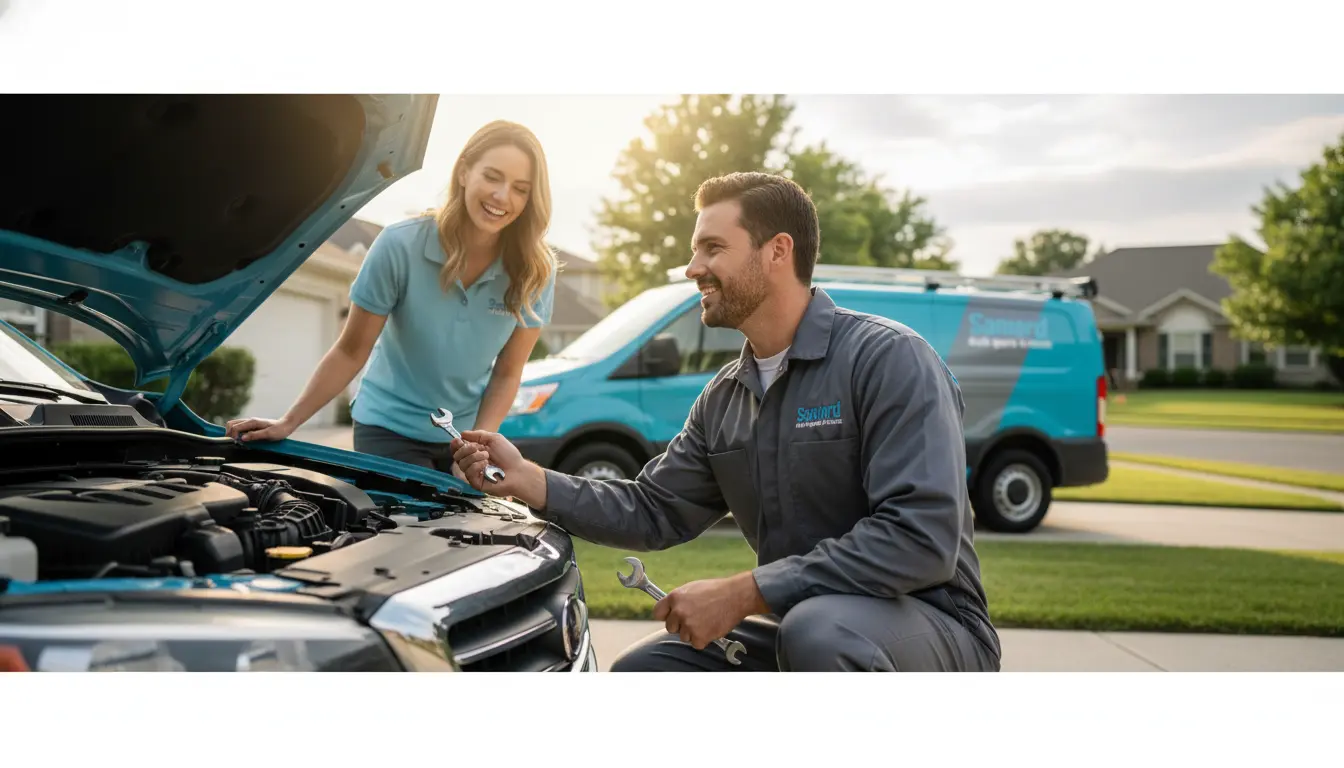
Subjecting complex automotive powertrains to the intense thermal loading cycles of Central Florida demands highly specialized mechanical intervention. Continuous highway operation combined with heavy atmospheric humidity accelerates oil shear breakdown and disrupts hydraulic transmission pressures. Implementing precise diagnostic evaluations isolates subsurface mechanical faults before they compromise primary internal combustion systems or trigger sudden road failures.
Deconstructing Powertrain Telemetry and Thermal Fluid Degradation
Managing the fine line between electronic sensor outputs and high mechanical stress requires advanced digital tools and deep automotive insight. Sanford Auto Repair & Service delivers technical maintenance grids engineered to preserve internal component clearances under severe environmental loads. Fleet operators searching for certified diagnostic tracking or looking for the best auto repair services near me for transmission and engine work can review our 2026 trade analysis on common car problems in Sanford.
Ignoring early shifting hesitations or high operating engine heat drops causes rapid internal multi-plate friction wear and valve body restrictions. Utilizing premium synthetic lubrication blends shields tight bearing paths, keeping critical engine additive elements fully active despite extreme stop-and-go road congestion. Car owners wishing to map structured factory maintenance routines or analyze essential safety parameters can view our briefing index on the importance of regular maintenance.
Quantifying Torque Converter Slip and Hydraulic Pressure Dropouts
Sustained thermal stress within closed gearbox assemblies alters the kinematic viscosity of transmission fluids, reducing fluid line pressures and causing internal clutches to slip. This friction slipping creates fine metal shaving debris that packs into fluid lines, restricting normal cooler flow. Motorists facing sudden powertrain shifts or needing fast roadside support can inspect our localized breakdown blueprint on emergency repairs.
Isolating Vacuum Infiltration Faults and Galvanic Terminal Crusting
Unmetered air breaching weathered intake manifold seals alters the stoichiometric ratio, forcing the electronic management controller to shift fuel trim balances and raising catalyst temperatures. Motorists must address minor vacuum line splits immediately to stop cascading component fatigue and avoid recurring engine warning lights. Business managers trying to coordinate multi-vehicle facility layouts or compare workspace designs can consult our commercial log at top 10 handyman services for Pompano Beach homes to align shop bay space.
Traversing deep standing water pools from seasonal downpours introduces water contamination risks if moisture tracking reaches low-positioned differential or gearbox vent breathers. Concurrently, high atmospheric moisture triggers rapid galvanic crusting across copper terminal links, creating an artificial circuit resistance that strains alternator charging pathways. Vehicle owners seeking to track early circuit leakage patterns or locate hidden fluid pooling markers can check our electrical troubleshooting manual on 7 signs its time for electrical repairs in your home.
Enforcing Eco-Responsible Extraction and Mechanical Quality Standards
Sanford Auto Repair & Service completes all engine rebuilding, gear housing flushes, and diagnostic mappings in full alignment with strict environmental regulations. We implement advanced eco-responsible fluid isolation steps and extract volatile chemical refrigerants with EPA-certified recovery machinery to fully protect local water tables from chemical contamination. Adhering to these tight operational standards maintains vehicle driving reliability while actively protecting local ecosystem health metrics.
Frequently Asked Questions (FAQs)
Modern engine computers share real-time load data directly with the transmission control module. An unmetered vacuum leak skews calculated engine torque values, causing the transmission computer to miscalculate line pressures and deliver harsh gear changes.
Water causes the adhesive backing holding the friction linings to the steel clutch plates to dissolve completely. Once separated, the lining material sloughs off, creating a complete loss of gear engagement and clogging internal fluid channels.
Cooling system restrictions create localized cylinder hot spots that exceed the thermal limits of metal alloys. This localized heat causes aluminum cylinder heads to warp, destroying the cylinder head gasket seal and mixing engine oil with engine coolant.
Worn spark plug gaps increase the voltage required to fire, leading to incomplete fuel combustion. This unburned raw fuel passes straight into the exhaust path and burns inside the catalytic converter, melting the internal honeycomb structure.
Conventional mineral lubricants contain uneven molecular configurations that break down and evaporate at lower thermal thresholds. Full synthetic oils feature robust, uniform molecular links that resist heat breakdown and maintain viscosity up to four hundred degrees Fahrenheit.
Do not allow unmapped transmission slippage or high thermal fluid degradation to compromise the active safety or long-term value of your vehicle asset. Safeguard your external mechanical assemblies against aggressive sub-tropical microclimates by scheduling a technical multi-point validation sweep today. Contact our skilled team to reinforce your vehicle envelope and secure absolute driving peace of mind.