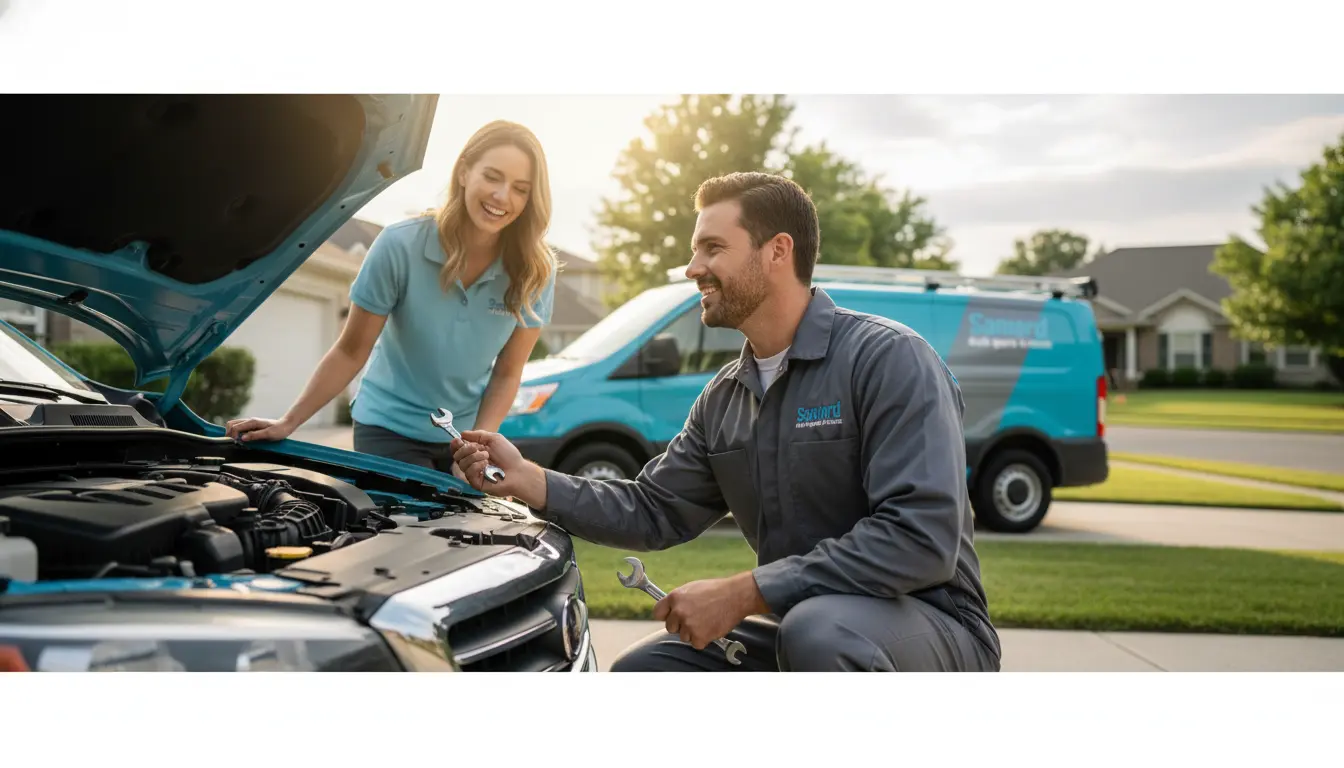
Isolating mechanical friction faults within automotive deceleration grids requires a systematic diagnostic blueprint to guarantee absolute safety under severe high-load highway driving. The sub-tropical Central Florida climate subjects dual-activation caliper pins and multi-layered friction linings to extreme thermal stress and high humidity vectors. Following a structured inspection routine prevents surface glazing from turning into complete caliper lockups or structural rotor distortion.
Deconstructing Hydraulic Clamping Forces and Rotor Thermal Warpage
Every standard kinetic deceleration system counts on hydraulic multiplication forces managed through the master cylinder assembly to actuate piston seals and compress friction surfaces evenly. Sanford Auto Repair & Service integrates certified technical workflows engineered to neutralize regional environmental deterioration, tracking sub-surface degradation parameters before component failure points. Fleet operators wanting to evaluate chronic regional diagnostic faults or review step-by-step guide to fixing brake issues at home or with a mechanic can view our 2026 data analysis on common car problems in Sanford.
Continuous stop-and-go deceleration cycles along heavily traveled commuter sectors raise local pad temperatures past engineered thermal dissipation bounds, accelerating material thinning. Measuring active fluid water percentages and inspecting backing plate alignment stops underlying heat fatigue from causing unexpected pedal pulsation loops or hydraulic line dropouts. Car owners wishing to map structured factory maintenance routines or analyze essential safety parameters can view our briefing index on the importance of regular maintenance.
Quantifying Piston Slider Seizures and Hydraulic Pressure Dropouts
Atmospheric salinity tracking combined with heavy regional summer downpours introduces road moisture straight into raw metal caliper guide channels, stripping internal sliding lubricants. This restriction locks the caliper housing in a semi-engaged position, dragging the pad face across the spinning rotor disc and causing extreme heat buildup. Motorists dealing with sudden friction drops or seeking immediate mechanical assistance can inspect our localized breakdown blueprint on emergency repairs.
Mitigating Vacuum Line Degradation and Galvanic Terminal Corrosion
Unmetered air leaks breaching weathered brake booster vacuum supply lines compromise mechanical pedal assist metrics, requiring extreme muscle effort to engage the primary master cylinder pistons. Motorists must evaluate vacuum retention parameters immediately to block cascading power assist failures and stop dashboard warning activations. Business managers trying to coordinate multi-vehicle facility layouts or compare workspace designs can consult our commercial log at top 10 handyman services for Pompano Beach homes to align shop bay space.
Sustained relative humidity triggers advanced galvanic scale growth across vulnerable copper wiring connections, creating high electrical circuit resistance that disrupts anti-lock sensor communication pathways. Technicians utilize advanced multi-meter equipment to track real-time low-voltage streams before circuit crusting generates false wheel speed faults. Vehicle owners seeking to identify early circuit leakage paths or track component life trends can check our electrical troubleshooting manual on 7 signs its time for electrical repairs in your home.
Enforcing Eco-Responsible Fluid Collection and Safety Calibration Standards
Sanford Auto Repair & Service completes all hydraulic flushes, friction pad changes, and caliper alignments in complete alignment with strict environmental guidelines. We apply advanced fluid isolation capture arrays and trap spent heavy metal friction dust particles to completely shield regional water tables from hazardous run-off pollution. Adhering to these tight operational standards maintains vehicle driving reliability while actively protecting local ecosystem health metrics.
Frequently Asked Questions (FAQs)
High-pitched squealing is typically caused by a built-in acoustic wear indicator scraping against the spinning rotor face. This metal tab is engineered to contact the rotor once the friction material layer drops below its safe thickness limit, alerting the driver that service is required.
Glycol brake fluids possess strong hygroscopic traits, meaning they pull water vapor from the air. Over time, high moisture tracking decreases the fluid’s boiling point, which can turn into vapor pockets under heavy braking stress and cause a complete loss of pedal response.
When caliper slide pins seize due to internal rust build-up, the caliper frame loses its ability to center itself over the rotor. This forces one pad to stay pressed against the rotor face, causing rapid one-sided material wear, lower fuel economy, and a steering pull.
Metal grinding means the friction lining has worn away completely, leaving the raw iron backing plate to press directly against the cast rotor face. This metal-on-metal contact cuts deep gouges into the rotor surface, destroying the assembly and requiring total replacement.
The brake booster uses engine vacuum to multiply the physical force applied to the brake pedal. A split or leaking vacuum supply hose cuts off this assist, making the pedal feel extremely hard and requiring massive manual effort to slow the vehicle down.
Do not allow hidden hydraulic moisture saturation or worn friction linings to compromise the active safety or long-term value of your vehicle asset. Safeguard your external mechanical assemblies against aggressive sub-tropical microclimates by scheduling a technical multi-point validation sweep today. Contact our skilled team to reinforce your vehicle envelope and secure absolute driving peace of mind.