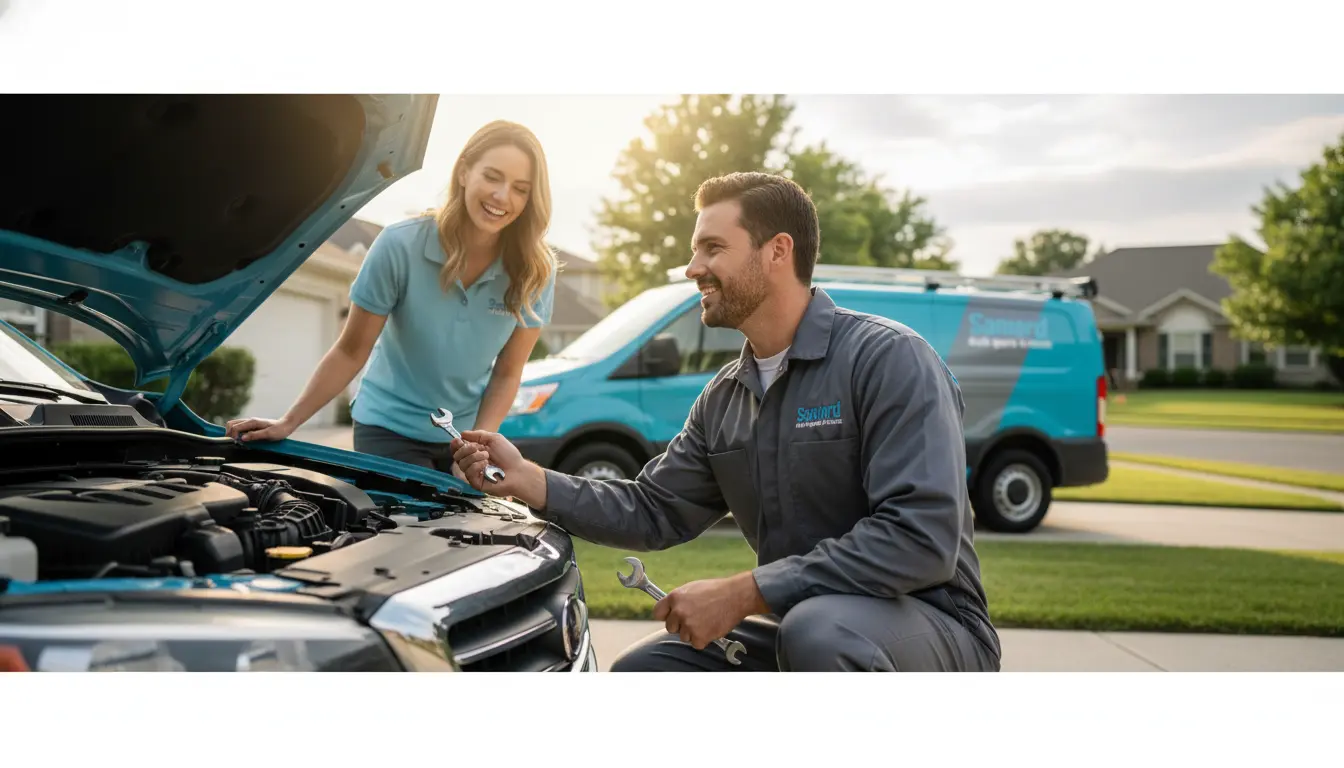
Operating passenger cars or commercial fleet units within Florida’s intense sub-tropical regulatory zone requires mechanical compliance with state automotive guidelines and certified structural processes. Extreme environmental variables over long highway miles accelerate component breakdown, making regular physical checks necessary. Certified automotive technicians utilize precise testing procedures to confirm baseline safety frameworks before certifying internal assemblies as roadworthy.
Deconstructing Legal Technical Parameters and Certified Workflows
Florida regulatory frameworks allow certified technicians to execute comprehensive powertrain repairs, multi-point digital inspections, and complex computer system diagnostics. Sanford Auto Repair & Service maintains strict alignment with ASE metrics, utilizing advanced scan tools to track live sensor parameters and balance fuel trims under heavy engine load. Fleet managers tracing chronic local diagnostic faults or tracking dashboard warning lights can analyze our 2026 data brief on common car problems in Sanford.
State motor vehicle policies prioritize proper environmental tracking, meaning garages must trap volatile chemistry runoff and use sealed containment devices during all repairs. Adhering to factory service manuals ensures that steering angles, safety sensors, and braking system pressures remain within clear factory operating specs. Car owners looking to schedule standard factory maintenance routines or analyze essential protection parameters can view our briefing index on the importance of regular maintenance.
Quantifying Thermal Fluid Degradation and Cooling Circuit Overhauls
Severe road friction paired with stop-and-go highway traffic drives sudden cooling system restrictions, requiring immediate chemical flushes to remove calcified scale layers. Clearing internal engine core blocks lowers high operating temperatures and prevents severe cylinder head damage. Motorists facing sudden secondary road failures or requiring immediate technical diagnostic sweeps can inspect our localized breakdown blueprint on emergency repairs.
Isolating Intake Vacuum Anomalies and Galvanic Terminal Crusting
Unmetered air leaks entering weathered intake manifold seals alter the stoichiometric air-fuel balance, forcing the powertrain management chip to run large fuel trim corrections that raise exhaust temperatures. Motorists must resolve minor vacuum line splits immediately to stop advanced cylinder vibrations and prevent recurring warning lights. Business owners needing to coordinate multi-vehicle facility layouts or compare workspace designs can consult our commercial log at top 10 handyman services for Pompano Beach homes to align shop bay space.
Traversing deep standing water pools from seasonal downpours introduces water contamination risks if external moisture tracking reaches low-positioned differential or gearbox vent breathers. Concurrently, high atmospheric moisture triggers rapid galvanic crusting across copper terminal links, creating an artificial circuit resistance that strains alternator charging pathways. Vehicle owners seeking to track early circuit leakage patterns or locate hidden fluid pooling markers can check our electrical troubleshooting manual on 7 signs its time for electrical repairs in your home.
Enforcing Environmental Fluid Containment and Fleet Safety Benchmarks
Sanford Auto Repair & Service completes all mechanical rebuilding, fluid isolation flushes, and emissions certifications in complete alignment with strict environmental regulations. We practice eco-responsible fluid collection and extract volatile chemical refrigerants with EPA-certified recovery machinery to fully protect local water tables from hazardous run-off pollution. Keeping these precise operational boundaries preserves vehicle driving reliability while actively protecting local ecosystem health metrics.
Frequently Asked Questions (FAQs)
Florida does not issue an individual state-level mechanic license, but repair facilities must register with the Department of Agriculture and Consumer Services (FDACS). Additionally, technicians must hold EPA Section 609 certifications to legally service mobile air conditioning systems.
Glycol brake fluids possess strong hygroscopic traits, meaning they pull water vapor directly from the surrounding air. High ambient moisture saturation lowers the liquid’s boiling point, leading to hydraulic vapor locks and a spongy pedal feel during hard braking cycles.
Florida environmental regulations strictly prohibit dumping automotive fluids on the ground or into storm drains. Facilities must collect oils, coolants, and solvents in separate, double-walled containment tanks for certified hazardous waste processing.
Unmetered air leaks distort the engine’s air-fuel balance, creating a lean burn profile inside the combustion cylinders. The engine control unit overcompensates by injecting extra fuel, which often ignites late and burns inside the exhaust manifold, overheating the delicate catalyst core.
When a hot differential housing hits cold standing water, the rapid temperature drop creates an internal vacuum inside the case. If the breather vent is submerged, this vacuum pulls contaminated road water past the seals, diluting the gear oil and scoring the internal gear sets.
Do not allow unresolved regulatory tracking or high thermal fluid breakdown to threaten the mechanical security or long-term value of your vehicle asset. Shield your engine components from aggressive sub-tropical climate degradation by scheduling a technical multi-point verification sweep today. Contact our certified team to secure your mechanical assemblies and maintain absolute driving peace of mind.